
Iron ore and pellets
Fines, lumps and pellets for ironmaking and reduction routes. Enquiries should identify the process, total iron, gangue limits, size distribution and required strength or reduction characteristics.
Metals & engineered products
Metallic inputs, alloy additions, carbon materials and furnace consumables for steelmakers and foundries. We review the furnace route and intended use alongside the analysis, physical form and delivery requirements.
Products & applications
Electric-arc and induction steelmaking · Integrated iron and steel production · Foundry melting and alloy adjustment · Furnace and ladle maintenance
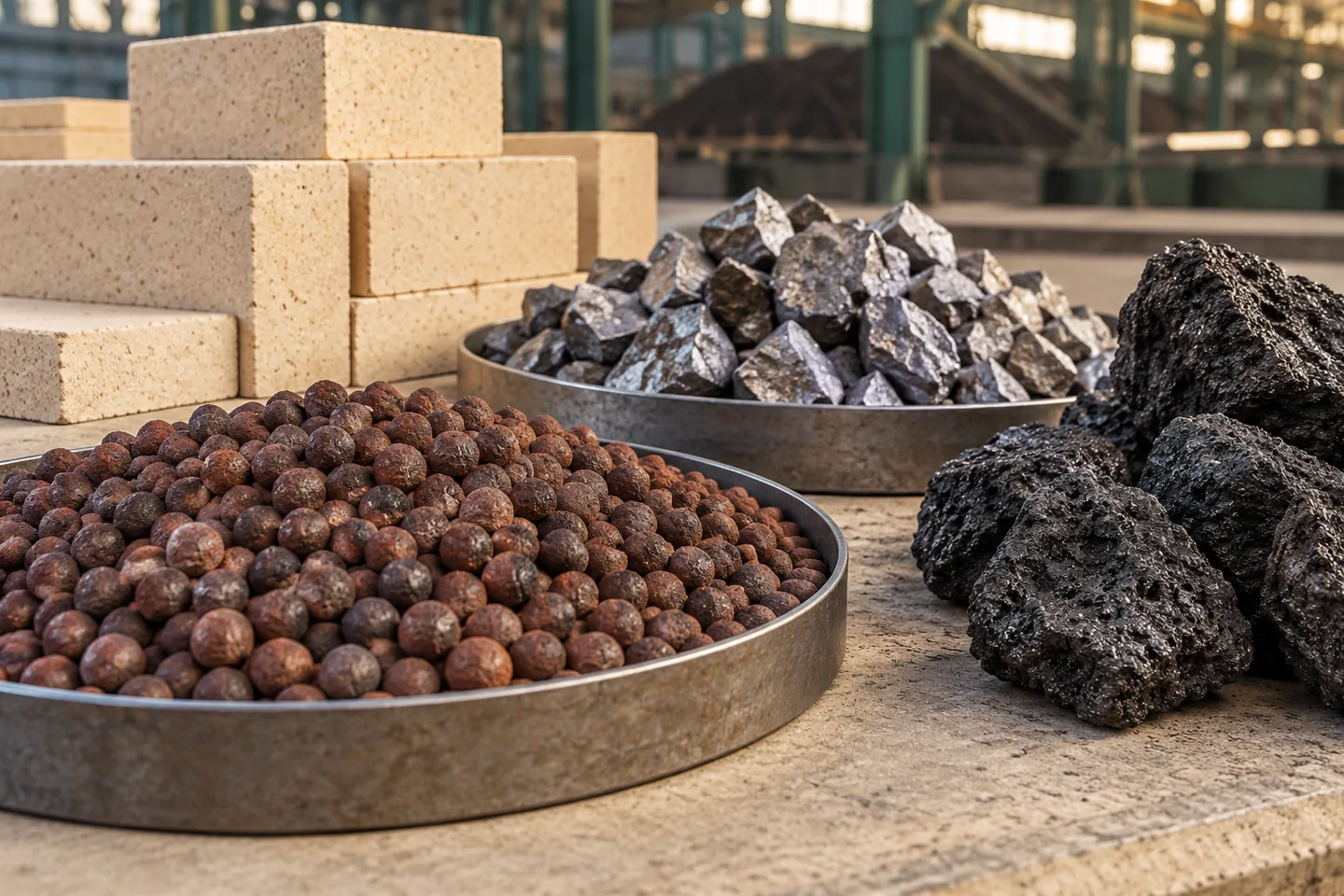
Fines, lumps and pellets for ironmaking and reduction routes. Enquiries should identify the process, total iron, gangue limits, size distribution and required strength or reduction characteristics.
Direct reduced iron, hot briquetted iron and cold briquetted material are distinct supply forms. Metallisation, metallic and total iron, carbon, gangue, fines and the actual production route are key. Do not treat different briquette forms as interchangeable cargoes.
An iron-bearing furnace input supplied to an agreed chemistry. Specify the steelmaking or foundry application, carbon, silicon, phosphorus and sulphur limits, piece size and acceptable residual elements.
Ferromanganese, silicomanganese, ferrosilicon, ferrochrome and other alloy-addition enquiries. State the required alloy content, carbon class, impurity limits, sizing and packing; composition determines suitability for the steel grade.
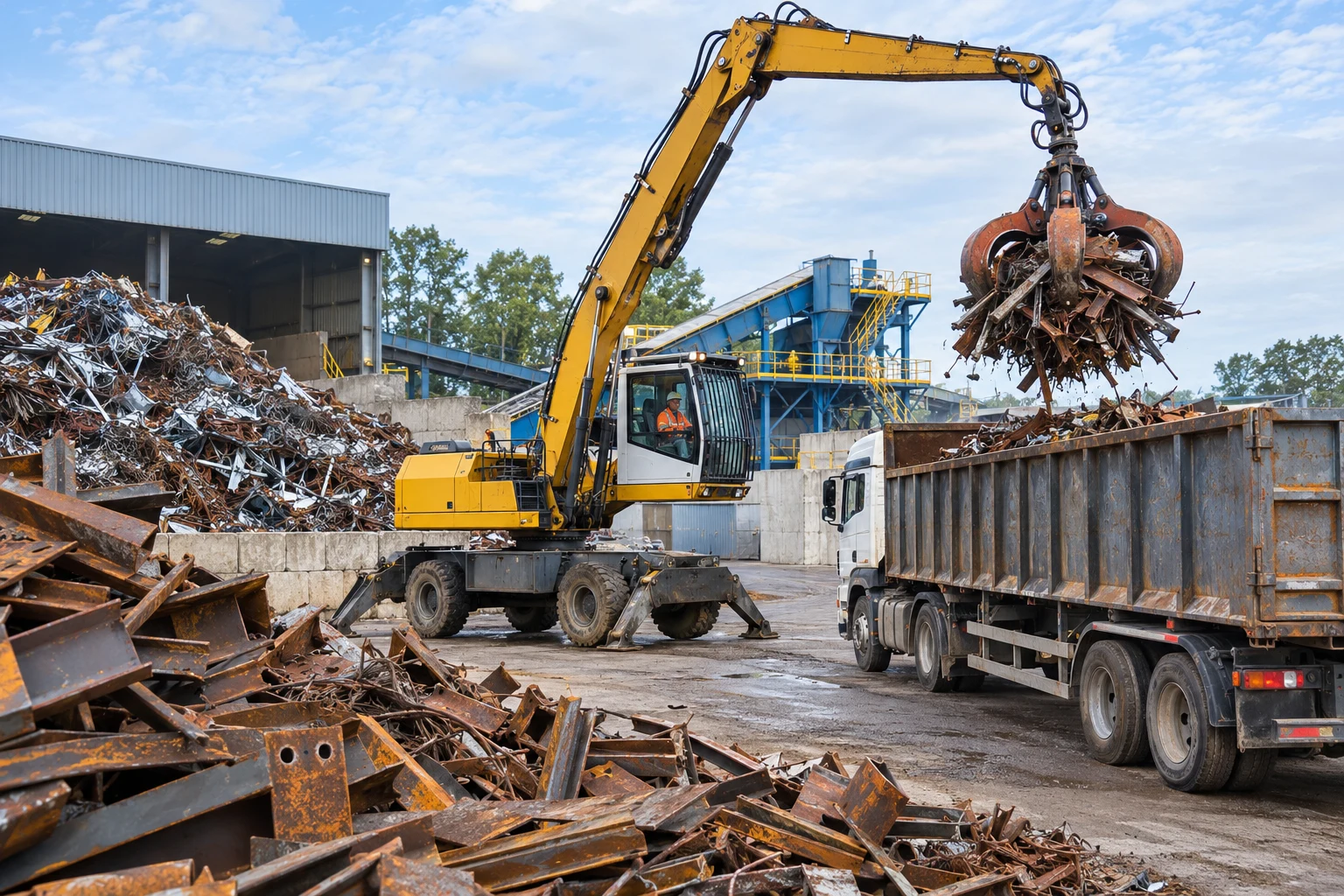
Scrap should be identified by an agreed grade, composition and physical condition. Stainless scrap requires alloy segregation; contamination, attachments, dimensions and preparation affect acceptance and processing.
Coking coal and metallurgical coke serve different stages of production. Analysis, moisture, ash, sulphur, sizing and the relevant coking or strength properties should be defined for the specific furnace route.
Refractories, crucibles and ramming materials for the intended furnace or ladle duty. Product selection depends on metal and slag chemistry, operating temperature, installation method and equipment dimensions.
Technical overview
Blast furnace, EAF, induction or foundry
Ore, metallics, scrap and carbon
Ferroalloys and consumables
Analysis, sizing and traceability
A selection workflow, not a fixed furnace recipe.
Specification guide
General purchasing guidance. Grade examples and reference standards are subject to technical review; availability and final acceptance criteria are agreed for each order.
| Input | Key purchase parameters | Handling / documentation |
|---|---|---|
| Ore / pellets | Total Fe, gangue, sizing and strength | Analysis, sampling and process compatibility |
| DRI / HBI / CBI | Metallic and total Fe, metallisation, carbon, gangue and fines | Exact cargo identity, process route and applicable transport declaration |
| Pig iron / ferroalloys | Alloy content, carbon class, phosphorus, sulphur and residuals | Lot identification, sizing and analysis |
| Ferrous / stainless scrap | Agreed grade, composition, preparation and contamination limits | Segregation, inspection and acceptance procedure |
| Coke / coking coal | Ash, sulphur, moisture, size and process-specific properties | Sampling basis and moisture/weight settlement |
| Refractories / crucibles / ramming mass | Chemistry, furnace duty, dimensions and installation route | Product data, shelf/storage requirements and installation instructions |
Procurement notes
The same material can have a different value in different processes. Provide the operating requirement so that chemistry, physical form and handling can be evaluated together.
Identify the sampling method and analytical basis, moisture treatment, size limits and acceptance tolerances. A headline iron or carbon figure is not a complete purchase specification.
Send the furnace type and operating constraints. Chemical compatibility and installation procedures are especially important when replacing a refractory or crucible.
Specify the exact material identity and required cargo declarations. Transport and storage arrangements must suit the supplied product rather than its commercial shorthand.
Confirm bulk or bagged supply, lot identification, sampling and survey arrangements, moisture protection and discharge facilities. Request analysis and handling documents appropriate to the material; inspection scope is agreed order by order.
Steelmaking Raw Materials and Consumables · Enquiries
Send the details below. Supply scope, specification, origin and commercial terms are confirmed in the individual offer.
rawmaterials@orangesky.my